10 Situations When You'll Need To Learn About Grinders Organic Coffee Beans
Grinders – Organic Coffee Grown Without Pesticides and Herbicides Grinders is one of Australia's most loved coffee brands, earning the top three spot in Canstar Blue's “best coffee' survey. It is produced on farms that do not employ herbicides, pesticides, or chemical fertilizers. Pour-over brewing highlights the nuances of the beans and creates a flavor that is balanced. electric coffee bean grinder is also important. Consistency A good grinder is essential for anyone who values accuracy and consistency at the forefront of their brewing. The best grinders provide an exact grind that enables baristas and coffee drinkers to enjoy the same coffee in every cup. The consistency of the grinder is more crucial when a cafe is serving different kinds of coffee, since each may require a different grind to extract its full flavour. A grinder's effectiveness is also dependent on how often it's cleaned. If organic matter is accumulating in the nooks and crannies of its blades and burrs they can alter the taste of the brew. This is the reason it's essential to choose the right cleaning products, including those designed specifically for grinders. These tablets are designed to absorb the oils clinging to the interior of the grinder and eliminate them completely. 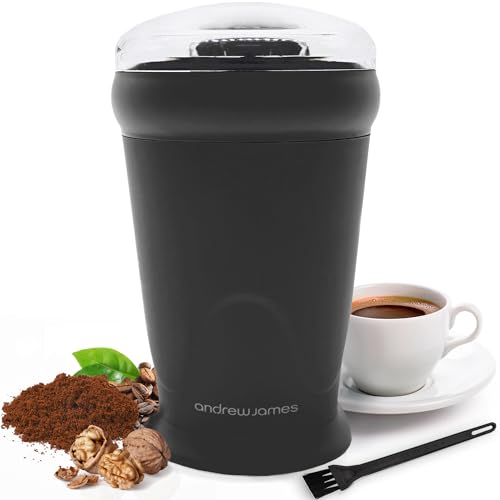 The grinder's ability to produce an precise grind is dependent on the type of grinding mechanism it uses. There are two types of grinders: burr and blade. Blade grinders utilize a series of teeth to cut and shred beans. Burr grinders have two cones that rotate in opposite directions, and shave beans into an extremely fine grind. Burr grinders are more expensive than blade grinders, but they offer greater precision. Anyone who loves coffee should select the best grinder, and clean it. The best method to keep a grinder clean is to use it exclusively for grinding coffee and do not use it for other purposes, such as mixing or food processing. Making use of the grinder for other tasks could cause it to become dull or stale sooner than is necessary and can impact the final brew. Checking the hopper is also an excellent thing to do. Overloading the grinder can cause it to overheat, resulting in inconsistent results. The ideal is for the hopper to be filled with less than half its capacity. Another thing to take into consideration is the time since the beans were roasted. The longer the beans were ground and degraded, the more and can result in an under extraction of aromatic compounds in brewing. Fortunately, this issue is easy to resolve by grinding the beans slightly smaller than normal. Freshness The freshness of a brew is among the most important aspects of enjoying coffee. However, unlike other grocery store foods with their clearly printed expiration dates, coffee beans can deteriorate much more slowly than we think. This gradual deterioration is because of the interaction of the molecules in a coffee bean with oxygen. This process is known as oxygenation and can destroy the delicate aromas and flavors that make up delicious brews. Although this process can occur over time, even if beans are sealed in the refrigerator The process speeds up significantly after beans have been ground. This is because beans that have been ground have a larger surface area that exposes them to more elements around them. Oxygen, heat and UV rays can all accelerate the degradation of coffee beans. This is the reason whole bean coffee can last a long time, while the coffee that is ground faster. You can tell when your coffee is stale by taking a sniff or looking. Stale coffee beans will smell bland with little to no aroma, while coffee grounds that are stale will have a musty or rotten smell. There's a method to extend the window of freshness for ground coffee. This involves storing it in containers that do not contain oxygen and has lids that can be sealed. This is a simple method that can also help extend the shelf life of other food products. Other storage options, aside from the vacuum-sealed canister include resealable bags with an air-sucked out portion. If you're not able to find a suitable storage option you can try freezing your coffee beans. It is important to not let them completely freeze because this could cause loss of moisture and flavor, but you can refreeze your beans for up to two months. Make sure they're sealed in an oxygen-free package and that you don't take them out of the package them before the freezer timer runs out. No matter if you're an expert or just beginning out, grinders are a great method to enhance your brewing experience and get the most enjoyment of your favorite beans. By taking a few more minutes each morning will let you take advantage of your coffee like an expert, and bring out all the wonderful qualities of every roast. Value Many people buy organic foods because they believe that anything without pesticides is better for you. In the case of coffee, this assumption is not always the case. Organic certifications are very expensive for farmers and can mean a lower sales price for the beans. This leaves small, quality-focused farms not able to afford the expense and unable to take on the risk of organic certifications. The only farmers who are likely to pay for them are the large, middling quality farms that stand to make more money from the label. Grinders is a company that is based in Melbourne, Australia, has an established following due to the high-quality coffee it produces. Its grinders have adjustable, sprint mounted ceramic burrs that shave instead of breaking the beans to give them a more smooth taste. The beans of the company are branded with Rainforest Alliance certification and cost $21 per kilogram. The beans are medium-roasted, and have an nutty, fruity and chocolatey flavor. The company's coffee was ranked third in Canstar Blue's survey of best Australian roasters, and received four stars for customer satisfaction and value for money. It also won the highly sought-after Good Food Australia's award for coffee and coffee accessories. Environment Organic coffee is often purchased for health and environmental reasons. The process of growing does not employ chemical pesticides or fertilizers. This results in less waste, and better use of land and water resources. In addition organically grown coffee beans are typically sold at a higher price which allows farmers to pay for the cost of any additional farm inputs. The National Organic Standards regulate the organic growing process. These standards contain strict guidelines for soil management water and air quality, pest control and much more. Growers also have to ensure that their harvests, processing materials, and other items separate from non-organic coffee and other products. This is done with specific bags and bins for organic coffee that are clearly labeled. Additionally, the storage and processing areas need to be clean. The bins and bags should be free of contamination by chemical pesticides and sanitizers. They should also be free from residues from non-organic fertilisers and other chemicals used in the roasting and processing process. Organic coffee is usually grown on small family owned farms in the mountains of Latin America. These farms produce specialty beans that are distinctive, such as floral complexity or acidity. Organic coffee is typically planted in soil that is high in nutrients, in shade that is natural at higher elevations. A grinder is a key instrument for turning raw green coffee into roast, ground coffee. The process of grinding increases the availability of organic molecules in coffee roasted and alters the flavor profile. The temperature of the bean during the grinding process will significantly affect the final flavor of a cup of coffee. Room temperature coffee particles are more likely to grind more finely than those at cooler temperatures, due to the lower particle thermalisation rate. This can lead to a more even grind size distribution. As shown in Fig., the modal particle distribution gets narrower as cooling increases. 4. The resultant grind profile is less Gaussian, with a slight hip around 9.5 mm. Many small coffee farmers find the cost of organic certification unaffordable particularly for those in low-income industries. These farmers are already exposed to a number of financial risks, including climate change and food price fluctuations, and aren't likely to invest in the additional costs associated with organic certification. Many of these farmers still grow organic coffee because it provides a more stable market and helps them to maintain a livelihood.